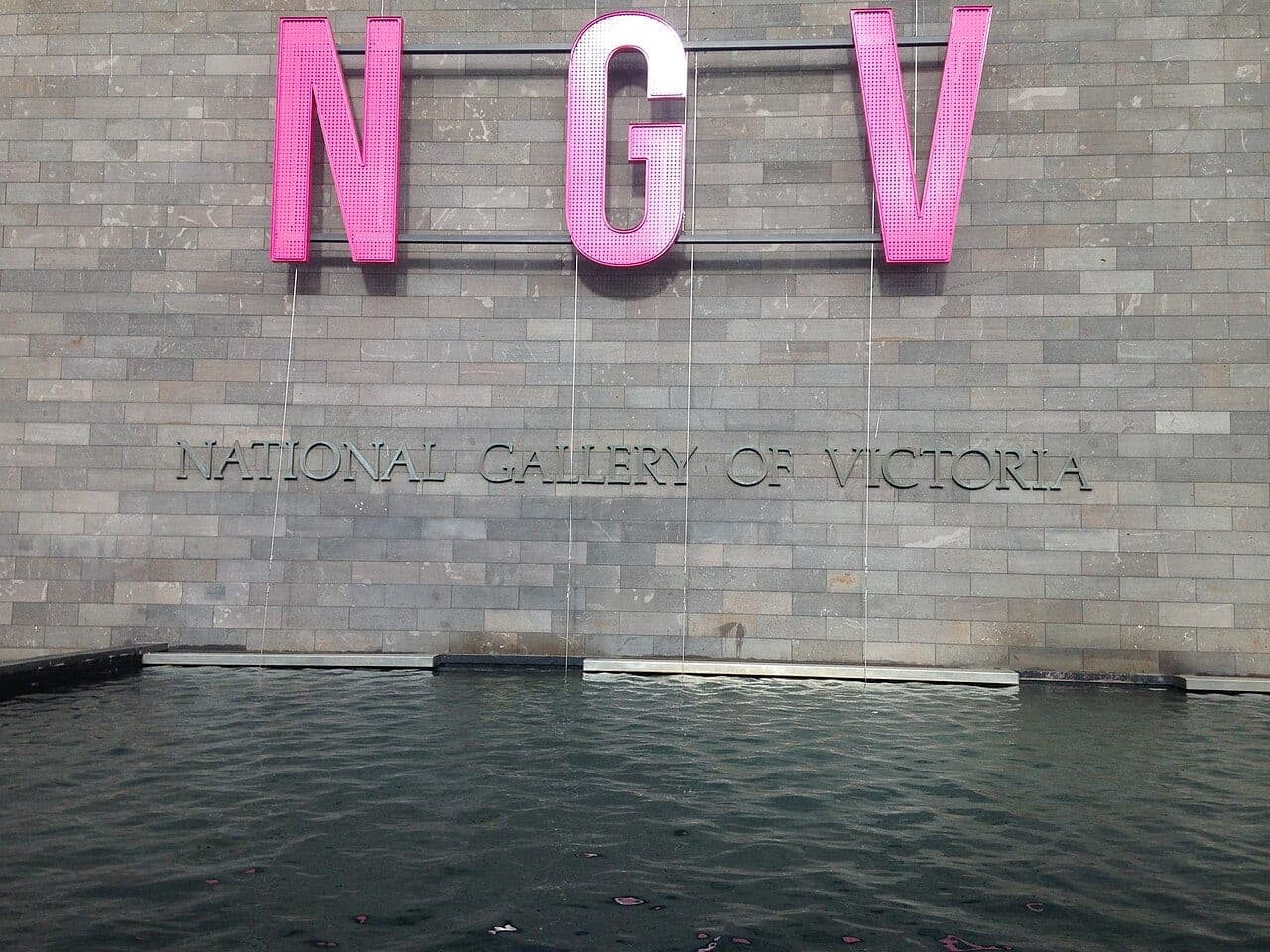
Melbourne Fashion Week has wrapped up for 2026 after seven days of runways across the city, from the National Gallery of Victoria on opening night to a closing showcase at 1 Hotel Melbourne in Docklands on Sunday.
The City of Melbourne event ran from Monday 19 October to Sunday 25 October, with seven runways, about 300 designers and more than 100 free and ticketed events on the program.
About 150,000 people were expected to attend. The City of Melbourne estimates the week boosted the city's economy by $32 million in 2025.
A first for the NGV
The week began on Monday with a media preview on an open-air rooftop runway at Docklands. Designer Amy Cottrell sent out a look with oversized sequins and a doughnut-shaped skirt, Sean Rentero showed a high-sheen gown, and emerging designer Charleigh Hack paired a gown with voluminous skirts featuring a music manuscript with a cello cut in half.
That night the opening runway, ganbu marra, was held at the NGV for the first time. Ten First Nations designers presented in Gandel Hall under the gallery's stained-glass ceiling, among them Van Ermel Scherer, Yapa Mali and Marnin Studio.
The event is now in its 32nd year.
On Tuesday the Emerging Artists Collective runway moved to the Immigration Museum.
Wednesday night's Cult Status runway at State Library Victoria brought together labels with devoted followings, including Chris Ran Lin, Club Venus, Gotham, Liandra, Perple, Toile Studios and the art knitwear brand Wah-Wah Australia.
Wilson Jedd Adams used the show for the third part of a four-part collection. Titled Fantastic Plastic, it follows his earlier instalments Metropolis and Paper Dolls, and its four looks were made from polyester, cellophane, tape, plastic bags and tablecloths.
"It's expanding from the city and it goes down to what's littered all over the city," Adams told AAP.
He said the next stage could look different. "We're probably going to pivot a bit into more ready-to-wear," he said.
The program also took fashion onto the street, including a bridal showcase outside Melbourne Town Hall featuring Vera Wang Bride and Vivienne Westwood.
On Thursday The Edit runway at Younghusband in Kensington included collections from Asiyam, Clea and Ngali, and closed with Vivienne Westwood bridal looks from Raffaele Ciuca.
Student award goes to RMIT
The Student Collections runway returned to Younghusband on Friday, in temperatures that reached 31 degrees. Five finalists were in contention for the Student Design Award, alongside work from students at RMIT, LCI Melbourne and the Whitehouse Institute of Design Australia.
RMIT graduate Maddie Clark won the award, which was presented by Julia Brown, founder of Melbourne Fashion Hub.
Clark's collection drew on her background in volleyball, exploring movement and injury through pine wood, sand, stainless steel and netting.
"I'm very shaky. I'm feeling very stunned," Clark said as she collected the award.
Other student designers on the runway included Eva Brahm and Tanika Goodman of RMIT, Amelia Hull and Claire Moffat of LCI Melbourne, and Josephine Gear of the Whitehouse Institute.
The week closed on Sunday with a showcase at 1 Hotel Melbourne in Docklands. Paris Jade Burrows, Grace Lillian Lee, Suzaan Stander and Lucinda Babi were among the designers on the final runway, which opened to Rosalía's track Berghain.